

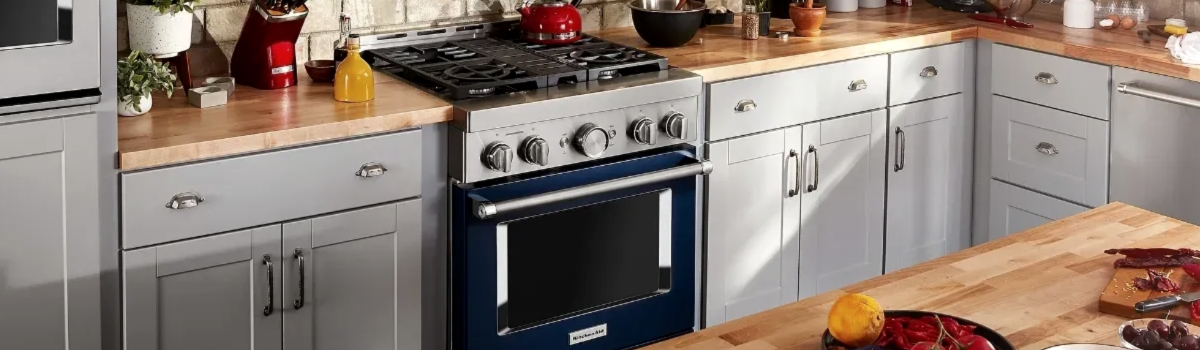
It’s the most common day-to-day headache owners report—and the good news is, it’s usually fixable with simple steps at home. Below is a clean, readable guide that explains the fault, why it happens, what to try safely yourself, and the habits that prevent a repeat.
What the problem looks like (in real life)
You turn the knob to ignite. The igniter ticks rapidly, you might catch a whiff of gas, but no clean ring of blue flame appears. Sometimes the burner flashes on, then the clicking continues as if it never lit. Other days—especially right after cleaning—it feels like none of the burners want to cooperate.
What’s actually failing here
Ignition relies on three things working together: the spark (igniter), the fuel (gas through tiny burner ports), and the path (proper cap seating and a good ground so the spark jumps where it should). If moisture, residue, or misalignment gets between any of those, the spark can’t light the gas consistently—so the control keeps clicking, trying to relight.
Common culprits, in plain English:
- Moisture after cleaning or spills. Water or cleaner around the igniter or under the burner cap steals the spark and drowns the flame.
- Mis-seated burner cap. Even a slight tilt breaks the flame path and the flame-sensor never “sees” a stable flame.
- Clogged burner ports. Grease or food residue diverts gas away from the spark tip.
- Drafts or very low settings. A strong hood or cross-breeze can blow out the flame; the safety system re-sparks by design.
- Less often: a failing spark switch/module or a gas supply issue (closed valve, air in the line after an install).
Safe DIY: quick fixes that solve most cases
Work methodically and test after each change so you know what helped.
- Dry it out
Pull off the grates and burner caps. If you cleaned today (or had a boil-over), let everything dry thoroughly. Use a hair dryer on cool to blow air around the igniter, burner head, and even the knob shafts (moisture hides there). Reassemble and test. - Seat the caps perfectly
Set each cap so it sits flat and centered on its matching head—no rocking, no gaps. A millimeter off can keep the igniter clicking. - Clear the tiny gas ports
Lift crumbs or grease with a soft brush or wooden toothpick. Wipe cleaner residue from the head and cap. Never enlarge holes—you’re just removing buildup. - Tame airflow and test on Medium
Turn the hood down and close nearby windows to remove drafts. Ignite on Medium first (low flames are easiest to blow out), confirm a steady ring, then reduce to Low and listen—clicking should stop once the sensor detects flame. - Basic supply sanity
Make sure the gas shutoff is open. On new installs or after the line’s been off, let a burner run briefly to purge air (supervised).
If all burners refuse to light after these steps, you may be looking at a spark module/switch harness or a supply issue. If one burner is stubborn while others are fine, focus on that head/cap pair and its igniter tip.
When the oven is the part that won’t heat
If your pain point is the oven (not surface burners), watch whether the bake element/igniter actually energizes. A weak hot-surface igniter (gas), an open bake element (electric/dual fuel), or a drifting temperature sensor can all cause long preheats and underbakes. The surface-burner fixes above won’t touch that; different diagnosis applies.
Prevention that actually works
You don’t need a maintenance routine worthy of a lab—just a few habits:
- After deep cleans or spills, let the cooktop dry before cooking again.
- Whenever caps come off, re-seat them with intention—flat and centered.
- Give the burner heads a light brush monthly so residue doesn’t build.
- Manage drafts when simmering; very low flames are easy to blow out and will trigger re-ignition clicks.
- If you changed fuel types (NG ↔ LP), confirm the conversion and regulator/orifices are correct; mismatched settings cause poor lighting and weak flame.
Quick action plan
- Dry thoroughly → seat caps → clear ports → reduce drafts → test on Medium.
- Still clicking? Check gas supply and compare burners (one vs. all).
- If a burner still won’t behave—or the clicking is random and heat-related—schedule a diagnosis for the spark switch/module and wiring.
With a careful dry-out, precise cap seating, and a little port cleaning, most “KitchenAid burner clicks but won’t light” issues disappear in minutes. If yours doesn’t, you’ve already ruled out the usual suspects—making any professional visit faster, cheaper, and one-and-done.
Leave a Reply