

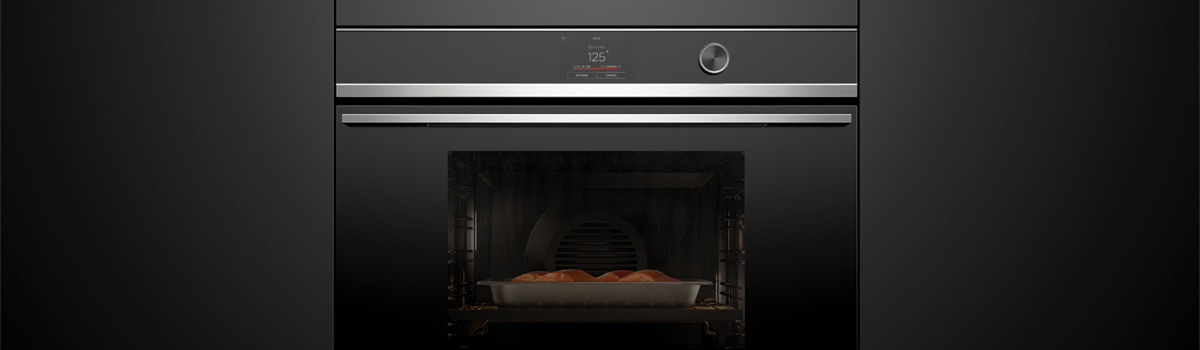
When the broiler quits, dinner plans go sideways fast. This guide walks you through what the issue actually is, why it happens on Fisher & Paykel ranges/wall ovens, how to fix the common culprits safely at home, and how to keep the problem from coming back. The tone here is friendly and practical—no jargon for jargon’s sake.
What this malfunction looks like
If your Fisher & Paykel broiler won’t heat—or heats weakly—you’ll usually notice one or more of these signs:
- The broil element never glows red on an electric unit
- Food takes forever to brown, or only one side browns
- Gas broil flame doesn’t light or goes out after a few seconds
- Control panel shows normal operation, but there’s little to no radiant heat
Why broilers fail (most common causes)
In plain English: the broiler is a high-heat circuit. Anything that interrupts heat generation or power/gas flow will stop it. On Fisher & Paykel ovens, the usual suspects are:
- Burned-out broil element (electric models): hairline breaks, blisters, or no red glow.
- Weak or failed igniter (gas models): igniter glows but can’t draw enough current to open the gas valve, or it never glows at all.
- Thermal cutoff/hi-limit opened: oven overheated previously and the safety cutout tripped.
- Door switch or latch issue: oven thinks the door isn’t in the right position for broil.
- Wiring/connector trouble: heat can loosen spades or scorch harness leads over time.
- Board/relay fault: less common, but control relays can fail after years of heat cycles.
Quick safety check before you start
Unplug the range or switch off the dedicated breaker. For gas models, also close the gas supply valve. Work only when the oven is stone-cold.
DIY fixes you can try (start with the easy wins)
- Confirm broil settings and door position
Select “Broil” (High/Max to test), set a short timer, and make sure the door position matches your model’s requirements. Many Fisher & Paykel ovens broil with the door closed—if the door switch isn’t made, the broiler may not engage. - Look at the broil element (electric)
Open the door, remove the top rack, and visually inspect the element along the oven ceiling.
- No red glow after 2–3 minutes of broil? Likely failed.
- Blisters, cracks, or holes? Replace the element.
Tip: If you own a multimeter, disconnect the element and check for continuity. An open circuit = replacement time.
- Watch the igniter (gas)
Turn Broil on and observe through the broiler window/oven cavity.
- Igniter glows but no flame: the igniter may be too weak (low current). Replacement is the fix.
- No glow at all: check harness connectors first; if intact, replace the igniter.
Note: Handle igniters gently—ceramic is fragile.
- Check the wiring at the element or igniter
With power off, gently tug each spade connector. Look for discoloration or melted housings. Clean lightly and reseat. Replace damaged terminals or short harness sections if heat-baked. - Thermal cutoff / hi-limit
Some models include a resettable or replaceable cutoff. If your oven recently overheated (foil on racks, blocked vents), the cutoff may have opened. Access and reset/replace varies by model; consult your specific service sheet if accessible. If you’re not sure—skip this one and move to the next steps or call a pro. - Control board and relays
If the element/igniter and wiring check out, the issue can be a failed relay on the board. This isn’t typically a DIY repair unless you’re experienced with electronics. At minimum, confirm that the board is sending voltage when Broil is commanded (requires safe testing procedures).
What the fix looks like in practice (electric vs. gas)
- Electric broiler element replacement:
Remove back panel or interior screws (model-dependent), disconnect two spades, swap in the new element, and reinstall screws. Avoid bending the element. Restore power and test. - Gas broil igniter replacement:
Remove the broil pan/carrier, access the igniter near the broil burner, disconnect the plug or wire nuts, install the new igniter without touching the carbide tip, route wires away from flame paths, reassemble, and test for reliable ignition.
When to stop and get professional service
- You smell gas at any point.
- Breaker trips or you see scorched wiring beyond a simple connector.
- The oven control board isn’t supplying voltage, and you don’t have the tools to verify safely.
- You replaced the element/igniter and the broiler still won’t engage.
Preventive habits that keep a broiler healthy
- Keep vents clear: Don’t line racks or the oven floor with foil; it traps heat and can trip safety devices.
- Clean grease buildup: Wipe the ceiling area and around the broil element regularly—grease insulates and overheats parts.
- Use the right cookware distance: Place food 3–6 inches from the element/flame to reduce extra-long broil times that stress components.
- Avoid slamming the door: Impacts can fatigue the door switch and latch alignment.
- Annual check: A quick glance at connectors and a test run on broil catches weak igniters/elements early.
Fisher & Paykel specifics worth noting
Fisher & Paykel models can differ in how broil is implemented (top broil element vs. gas burner, “Grill” labeling in some manuals). A few model-level tips:
- If your control says Grill instead of Broil, it’s the same function—use High/Max to test heat output.
- Some models modulate broil power; a low setting may never glow red. Always test on High for diagnosis.
- Door-closed broil is common. If you must crack the door, the manual will say so explicitly.
FAQ (fast answers in plain language)
Why does my broil element never glow, but bake works?
Different circuit. The broil relay, element, or wiring can fail independently of bake. Start with the element inspection and continuity check.
Igniter glows—why no flame?
Classic weak-igniter symptom. It’s glowing, but not drawing enough current to open the gas valve. Replacing the igniter is the cure 9 times out of 10.
Can a thermostat or sensor block broil?
Yes. If the temp sensor reads incorrectly (e.g., thinks it’s already hot), the board may limit broil. You’ll often see uneven oven temps in bake, too.
Is this safe to keep using on Bake?
If bake is normal and there’s no burning smell or tripping breaker, you can often use bake temporarily. But avoid broil until fixed to prevent more damage.
For Fisher & Paykel ovens, a failed broil element (electric) or a weak/bad igniter (gas) causes most “broiler not working” complaints. Visual checks plus one or two basic parts swaps solve the majority of cases. Keep vents clear, clean grease, and test broil periodically to stay ahead of repeat failures.
Leave a Reply