

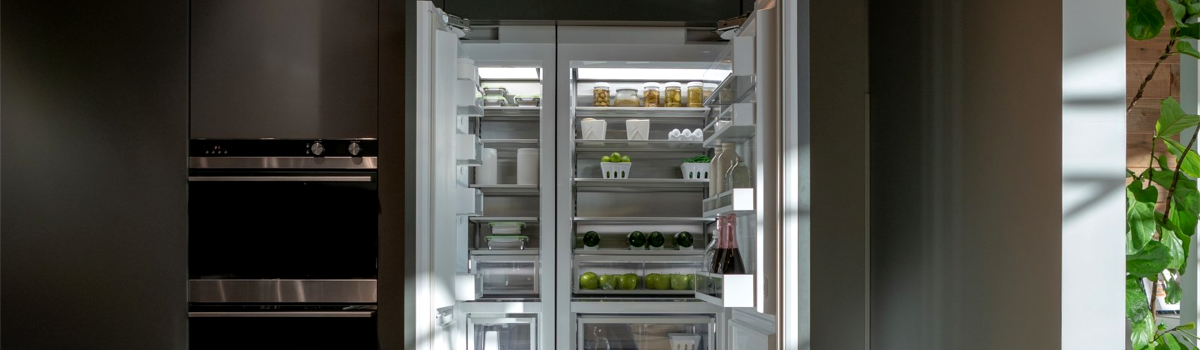
Fisher & Paykel refrigerators are known for sleek design and the Smart/ActiveSmart™ cooling approach. Still, like any appliance, they’ll act up from time to time—warm temps, surprise puddles, noisy fans, or an ice maker that ghosts you right before a party. This guide breaks down the most common issues in plain American English, with easy-to-follow DIY steps and practical tips to prevent repeat problems. You’ll see a natural mix of paragraphs and short lists to keep things scannable and friendly.
Quick Orientation: What makes Fisher & Paykel a bit different
Many models use an inverter compressor, variable-speed fans, and multiple temperature sensors to balance airflow between compartments. That’s great for efficiency, but it also means small things—like a blocked vent or a loose door seal—can cause bigger comfort problems. Keep that in mind as you troubleshoot.
1) Refrigerator Not Cooling Well (or Feels Warm)
When the fresh-food section runs warm while the freezer seems okay, airflow is usually the culprit. Fisher & Paykel systems move chilled air from the evaporator through ducts and vents; if anything slows that flow, the fridge side suffers.
Likely causes (in plain terms):
- Warm air sneaking in through a bent or dirty gasket
- Frost buildup blocking the evaporator cover or fan
- Overpacked shelves or items pressed against rear vents
- Dirty condenser coils forcing the system to work harder
DIY fix (step by step):
Start simple. Open the doors and check for food packages blocking the back or side vents. Make sure nothing touches the ceiling vents, either. Next, inspect the door seals; close a sheet of paper in different spots around the door—if it slides out freely, the gasket isn’t sealing. Clean the seals with warm, soapy water and a soft cloth. If you can safely access the condenser coils (often behind a toe-kick or at the back), unplug the fridge and vacuum dust with a brush attachment. If you suspect frost behind the evaporator cover (freezer wall looks icy, fan sounds rough, or airflow seems weak), power the unit off and let it fully defrost with doors open, towels down, and a fan circulating room air. Don’t chip ice—you’ll risk a puncture.
Prevention:
Leave a small gap from walls for ventilation, keep coils clean every six months, avoid overpacking, and check door seals monthly. If you regularly see frost coming back, the defrost system (heater, sensor, or control) may need professional attention.
2) Freezer Icing Up / Heavy Frost on Food
A thin, crisp frosting is normal; thick, snowy buildup isn’t. Excess frost means warm, humid air is getting in or defrost cycles aren’t clearing ice.
Common reasons:
- Door not closing flat due to a tilted cabinet or a drawer slide issue
- Gasket torn or hardened
- Frequent long door openings (especially in humid climates)
DIY fix:
Level the refrigerator so doors self-close. Clean the gasket and check for tears. If a drawer isn’t sliding fully, remove it, clean the tracks, and reseat. For heavy frost, fully power down and defrost the freezer. After restart, monitor the first 24–48 hours—if frost returns quickly, the defrost heater or sensor may be failing and will need a technician.
Prevention:
Open doors only as long as needed, keep containers sealed, and wipe any moisture along door lips that you notice after big grocery runs.
3) Water Leaking Inside the Fridge or Onto the Floor
Leaks usually come from a blocked defrost drain or a water system issue. In many Fisher & Paykel units, defrost meltwater funnels through a small drain to an evaporator pan. When that drain clogs, water backs up and spills inside.
DIY path to dry floors:
Unplug the refrigerator. Remove shelves/drawers to access the rear interior wall and locate the drain channel (often a tiny opening). Use a soft pipe cleaner or flexible plastic line to gently clear it. Then flush the drain with a turkey baster of warm (not boiling) water. If you have an external water supply, also inspect the filter housing and water line connections behind the unit for damp fittings. Hand-snug any quick-connects and make sure the line isn’t kinked.
Prevention:
Replace the water filter on schedule (usually every 6 months), keep produce drawers closed to reduce humidity escaping, and clear crumbs or leafy bits that can migrate into the drain channel.
4) Ice Maker Not Making Ice (or Making Hollow/Small Cubes)
When your Fisher & Paykel ice maker slows down or stops, it’s often a simple flow or temperature issue rather than a dead ice maker.
Check these first:
- Is the ice maker switch/arm actually on?
- Is the water filter overdue, causing low flow?
- Is the freezer warm (above ~5°F)? Ice output drops fast with warmer temps.
DIY fix (quick wins):
Turn the ice maker off, remove the old filter, and install a fresh, model-correct filter. Confirm the water supply valve behind the fridge is fully open. Make sure the fill tube at the back of the ice maker isn’t frozen; if it is, unplug the unit and gently thaw with room air (never force it). Once everything’s clear, power back up and wait a full 24 hours to judge output.
Prevention:
Replace filters on schedule and avoid cramming items near the ice maker area. Keep freezer temp stable and don’t frequently store hot food in the freezer—it drives humidity and frost.
5) Strange Noises: Buzzing, Clicking, or a Whir That Never Ends
Inverter compressors and variable-speed fans change tone as the fridge adapts. Some sound is normal. But grinding, scraping, or a fan that ramps constantly can point to airflow or ice issues.
DIY detective work:
Open and close each door while listening. If the noise changes as you open the freezer, the evaporator fan may be hitting frost or a stray package. Clear space around vents and do a full manual defrost if you suspect ice. If a vibration buzz quiets when you press on a panel or the grille, place thin felt pads at contact points when reassembling.
Prevention:
Keep the fridge level, don’t let items touch the interior fan shrouds, and keep the back from pressing hard against the wall.
6) Water Dispenser Slow or Not Flowing
Low flow is almost always filter or pressure related.
DIY fix, short and sweet:
- Swap the filter with an OEM-spec replacement.
- Fully open the house water shutoff.
- Purge air after a filter change by dispensing water for a couple of minutes (in bursts).
- Check the supply line for kinks when you slide the unit back in place.
Prevention:
Stay on a 6-month filter schedule and avoid pushing the fridge so tight that it pinches the line.
7) Doors Not Closing Right / Warm Spots Near Gasket
A misaligned door lets in humidity and wrecks temperature stability. Fisher & Paykel French-door and drawer models can drift out of level over time.
Leveling is straightforward: use a bubble level and adjust the front feet until the doors close on their own from a couple of inches open. If shelves or tall bottles keep the door from sealing, rearrange so nothing presses on the door liner. Clean sticky residue off the seals with warm, soapy water.
Prevention:
A quick monthly check—close a thin sheet of paper at various points and tug. If it slides free with no resistance, address the seal or alignment.
8) Fresh Food Is Too Cold (Freezing Lettuce in the Crisper)
When the fridge gets “too good” at cooling, delicate produce suffers. This often happens if vents blow directly on bins or if settings are a notch too low.
DIY fix:
Nudge the fridge setting slightly warmer and give it 12–24 hours. Move produce away from direct airflow and use the intended humidity settings for each crisper (high humidity for leafy greens, lower for fruit). If you’ve recently done a big shop, avoid blocking the airflow with tightly packed bins.
Prevention:
Small adjustments beat big swings. Make changes one step at a time and let the system stabilize before judging.
9) Odors That Won’t Quit
Persistent smells come from trapped spills, clogged drains, or a saturated air filter.
DIY freshen-up plan:
- Remove shelves and bins; hand-wash with warm water and mild dish soap.
- Gently clear and flush the defrost drain with warm water.
- If your model has an air filter, replace it.
- Place an open box of baking soda or a bowl of activated charcoal in the fridge for 24–48 hours.
Prevention:
Tight-lid leftovers, quick wipe-ups after spills, and regular air filter changes go a long way.
10) Error Lights or Beeps After Power Outages
After a surge or outage, control boards may throw a door/temperature alarm or need time to relearn. Don’t panic.
Power the unit off for 5 minutes, then back on. Confirm doors are sealing, temps are set correctly, and fans are running. If alarms keep returning after temps stabilize, a sensor or board may need service.
Prevention:
Use a surge protector rated for refrigerators (check manufacturer guidance) and avoid sharing the outlet with heavy-draw devices.
Care Habits That Keep Fisher & Paykel Fridges Happy
Short lists are great—here’s the one to actually keep:
- Replace water and air filters on schedule
- Vacuum condenser coils every six months
- Leave breathing room around the cabinet for airflow
- Keep food away from vents and don’t overpack
- Wipe and inspect door gaskets monthly
- Level the unit so doors self-close
When to Stop DIY and Call a Pro
If you see repeated frost build-up within days, hear metal-on-metal scraping, notice a burning smell, or the compressor won’t start (and clicks repeatedly), it’s time for a professional. Electrical components, sealed system work (refrigerant, compressor), and detailed defrost diagnostics are not DIY jobs.
Fisher & Paykel refrigerators are efficient and thoughtfully engineered, which is why small maintenance habits make such a big difference. Start with airflow, seals, cleanliness, and filter changes. Most everyday issues improve with those basics. And when something keeps coming back—especially frost that returns fast or temperatures that won’t stabilize—get a qualified technician involved before minor symptoms turn into major repairs.
Leave a Reply