

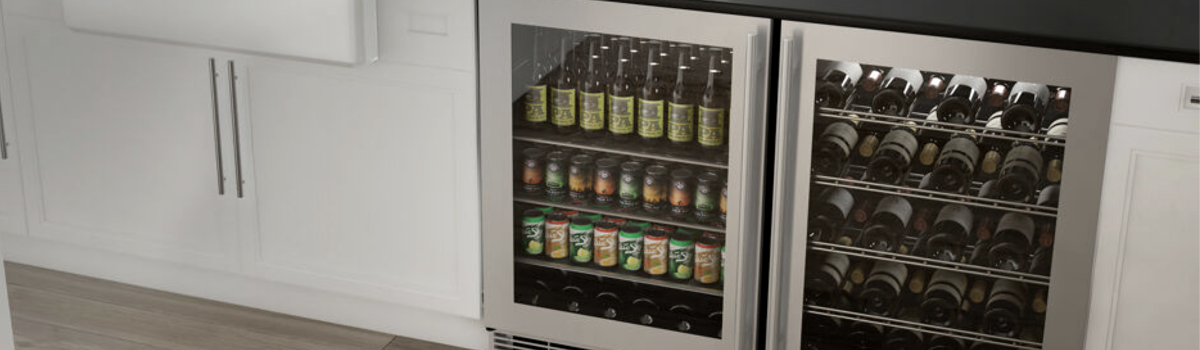
Keeping wine at a steady, appropriate temperature is the whole point of a wine cooler—so when yours acts up, it’s stressful. This guide walks through the most common U-Line wine cooler issues, explains what’s actually going wrong, gives safe DIY fixes you can try today, and shares simple ways to prevent a repeat. It’s written in clear, American English and meant for everyday users, not technicians.
Safety first: unplug the unit or turn off the breaker before any hands-on work. If you smell refrigerant, see burned wiring, or the unit trips the breaker, stop and contact a professional. Never open sealed system components (compressor, evaporator, condenser tubing).
1) Warmer Than Setpoint (Not Cooling Well)
What it is: The cabinet sits several degrees above your target temperature, or can’t reach setpoint at all.
Why it happens: Restricted airflow, dirty condenser coils, door not sealing, room temperature too high/too low, or bottles blocking internal vents. In rarer cases, a failing fan or sealed-system issue can be the culprit.
Try this first (quick checks):
- Make sure the cooler has ventilation space (front-vented models still need an open grille; built-ins need clear toe-kick and unobstructed intake/exhaust).
- Confirm the door is fully closing and the gasket isn’t torn or wavy.
- Check that bottles aren’t pressed against the rear or side vents.
DIY fix:
Pull the unit forward a few inches and gently vacuum the condenser grille. If you can access the condenser coils from the front, use a soft brush attachment; pet hair and dust can choke efficiency fast. Re-level the cabinet so the door self-closes. Power-cycle the unit for 5 minutes. Inside, rearrange bottles to clear airflow paths and leave a little space between them.
Prevention:
Clean the grille every 2–3 months, keep ambient room temperature within the cooler’s specified range, and avoid over-packing shelves so air can circulate evenly.
2) Runs Constantly or Gets Very Hot on the Sides
What it is: The compressor seems to run non-stop, and the cabinet sides or mullion (the warm strip near the door frame) feel hot to the touch.
Why it happens: Heavy dust on coils, poor ventilation in a tight cabinet, frequent door openings, or a high ambient temperature. Some warmth is normal—those warm tubes are where heat is released—but excessive heat signals the unit is working too hard.
DIY fix:
Improve airflow around the unit. Verify the toe-kick grille is not blocked by rugs or trim. Clean the condenser. Reduce door openings for a day and monitor temperature recovery. If the cooler is jammed into cabinetry, pull it forward to breathe and watch for shorter run cycles over the next few hours.
Prevention:
Keep a clear “breathing zone” around ventilation points and schedule coil cleanings with the seasons (four times a year is great if you have pets).
3) Excess Frost or Ice Buildup
What it is: Frost forming on the back wall, evaporator cover, or around the fan area; sometimes the fan starts to buzz or scrape.
Why it happens: Moist air leaking through a poor door seal, very humid room, or doors left open for loading. Continuous moisture creates a frost blanket that insulates the evaporator and hurts cooling.
Helpful reminders:
- A brief, thin layer of frost can be normal in humid weather.
- Heavy, crunchy ice that grows over days is not.
DIY fix:
Do a controlled manual defrost: power off, open the door, and place towels to catch meltwater until all frost is gone. Don’t chip at ice—use time and room air. Inspect the gasket with the “dollar-bill test”: close a bill in the door at different spots; if it slides out easily, the seal is weak there. Warm a wavy gasket with a hair dryer on low and gently reshape. Replace if cracked or torn.
Prevention:
Wipe door gaskets monthly, keep the door closed during longer restocks, and consider a small desiccant (food-safe) pack during very humid months.
4) Temperature Fluctuations or “Hot/Cold Spots”
What it is: The display looks okay, but bottles on certain shelves feel warmer or colder than others.
Why it happens: Every wine cooler has micro-climates. Overstuffed shelves, blocking vents, or a failing internal fan can exaggerate those differences.
DIY fix:
Space bottles so air can move. If your model supports it, run the internal circulation fan continuously (or for longer cycles). Put fuller-bodied reds on slightly warmer shelves and delicate whites or sparkling lower, where it’s cooler.
Prevention:
Avoid “walling off” the rear vents with large bottles. Rotate shelf positions with seasons if you notice consistent shelf-to-shelf variation.
5) Noisy Operation: Humming, Rattling, or Buzzing
What it is: New or louder-than-usual sounds—especially when the compressor starts or stops.
Why it happens: Unit out of level, bottles or racks vibrating, cabinet touching adjacent furniture, or a fan blade rubbing frost. On wood floors, vibrations can resonate like a drum.
DIY fix:
Level the cooler front-to-back and side-to-side. Add felt pads or anti-vibration feet under the corners. Re-seat shelves and keep heavy bottles near the center of each shelf. If you recently had frost, defrost fully to free the fan.
Prevention:
Re-check level after moving or loading, and keep a little clearance on both sides so the cabinet won’t buzz against trim.
6) Door Problems: Not Closing, Popping Open, or Sweating
What it is: The door rebounds open, doesn’t align with the cabinet, or shows condensation around the edges.
Why it happens: The cabinet isn’t level, the gasket is dirty or deformed, or the door hinges need a small adjustment. Condensation can appear if room humidity is high or the seal is weak.
DIY fix:
Clean the gasket with warm, soapy water and dry thoroughly. Re-level the cabinet so the door naturally “falls” closed the last inch. Tighten hinge screws slightly while supporting the door, then test fit. For light sweating, reduce room humidity or raise the setpoint by 1–2°F.
Prevention:
Keep the gasket clean and pliable. Don’t lean on the door while open—this can stress the hinges over time.
7) Control Panel Glitches or Unresponsive Buttons
What it is: The display freezes, buttons don’t respond, or the temperature reading seems unrealistic.
Why it happens: Static buildup, a minor logic fault, or a loose connector behind the panel. Power blips can also confuse electronics.
DIY fix:
Perform a soft reset: unplug for 5 minutes, then plug back in and let the unit stabilize. Confirm the child-lock isn’t engaged (if your model has it). If the display still reads wildly off, place an appliance thermometer inside for a day to compare; a bad sensor will show obvious mismatch.
Prevention:
Use a surge protector rated for refrigerators. Avoid rapid button presses—give the panel a second to register each tap.
8) Water Leaks or Standing Water Inside
What it is: Puddles beneath the cooler or a damp floor inside the cabinet.
Why it happens: A clogged defrost drain, frost melt with nowhere to go, or condensation pooling from high humidity and door openings.
DIY fix:
Locate the interior drain channel near the back wall (varies by model). Use a soft pipe cleaner or a short length of flexible line to clear debris. A turkey baster with warm water can help flush the drain. Dry the interior completely, then watch for re-accumulation over the next 24–48 hours.
Prevention:
Keep the interior clean, minimize long door-open sessions on humid days, and change door-opening habits during summer afternoons when indoor humidity peaks.
9) Interior Light Out or Won’t Turn Off
What it is: The light stays dark, flickers, or won’t shut off when the door closes.
Why it happens: A failed LED module, a sticky door switch, or a misaligned door not pressing the switch.
DIY fix:
Find the door switch plunger; press it by hand to confirm the light turns off. Clean around the switch and gasket. If the light never comes on, check your model’s settings—some have a “display” or “showroom” mode. For always-on lights, re-level the door so it cleanly depresses the switch.
Prevention:
Keep the switch area clean and dry. Avoid slamming the door, which can fatigue switch housings over time.
10) Odors Inside the Cabinet
What it is: A musty or plastic smell that seems to cling to corks and labels.
Why it happens: Spills, damp shelves, or poor airflow during humid spells. Cardboard boxes and some wood products can hold odors too.
DIY fix:
Remove bottles and wipe all surfaces with a 1:1 mix of warm water and white vinegar (non-chlorine). Place an open box of baking soda or a bowl of coffee grounds inside for 24–48 hours. Run the fan (if possible) to circulate air.
Prevention:
Store bottles dry, wipe spills immediately, and replace odor-holding cardboard carriers with clean, dry racks.
11) Unit Won’t Power On
What it is: The cooler appears dead—no lights, no fans, no display.
Why it happens: Tripped breaker, loose plug, GFCI outlet trip, or a failed power supply/component.
DIY fix:
Check the breaker and ensure the outlet has power by plugging in a lamp. If you’re using a GFCI outlet, press reset. Inspect the cord for damage. If the outlet is fine but the unit remains dead, stop there—internal high-voltage components require professional service.
Prevention:
Use a dedicated circuit if possible, avoid extension cords, and keep the plug firmly seated.
Seasonal & Long-Term Care
Keep it simple:
- Vacuum the condenser grille regularly.
- Wipe gaskets monthly so they seal like new.
- Give the unit space to breathe—front and rear ventilation must stay clear.
- Log your preferred temps and seasonal tweaks (e.g., +1–2°F in very humid months).
- Use a small, reliable appliance thermometer on a middle shelf to sanity-check the display.
Storage tips:
Lay bottles so corks stay moist, but don’t cram shelves to the point of blocking vents. Separate strong-aroma items (garlic, onions) from the cooler’s intake area in your kitchen to avoid odor transfer.
When to Call a Pro
If you’ve tried the steps above and still see persistent warm temperatures, rapid frost return after manual defrost, or loud metallic noises, you may be looking at a failing fan motor, defrost system fault, or sealed-system problem (compressor, refrigerant leak, or restriction). Those repairs require tools, EPA-trusted handling of refrigerant, and model-specific parts.
Quick Reference
- Warmer than setpoint → Clean condenser, improve airflow, check gasket, space bottles.
- Runs constantly/hot sides → Increase ventilation, clean grille, reduce door open time.
- Frost/ice buildup → Manual defrost, dollar-bill test on gasket, fix humidity leaks.
- Noisy → Level cabinet, secure shelves, add anti-vibration pads, clear frost from fan.
- Door issues → Clean/reshape gasket, re-level, fine-tune hinges.
- Control glitches → Power-cycle 5 min, verify lock modes, compare with a thermometer.
- Leaks/standing water → Clear defrost drain, fully dry interior, monitor 48 hours.
- Light problems → Test door switch, align door, exit showroom modes.
- Odors → Vinegar wipe, baking soda/coffee grounds, improve airflow.
A U-Line wine cooler is a precise appliance, but most day-to-day problems come down to airflow, cleanliness, and sealing. A little routine attention goes a long way toward stable temps—and happy bottles.
Leave a Reply