

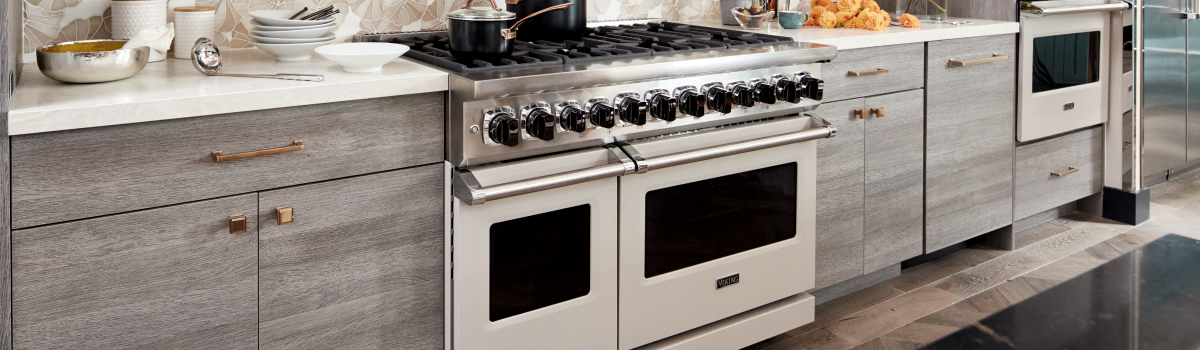
When U.S. homeowners search for help with Viking ranges, one issue rises to the top again and again: surface burners that click but won’t ignite. You hear rapid ticking, maybe catch a faint gas smell, and still no flame. The cause is usually simple—moisture, residue, or a misaligned burner cap—so the good news is you can often fix it yourself in minutes.
Why This Happens
A gas burner lights when a spark jumps from a small ceramic igniter to the metal burner, igniting the gas flowing through tiny ports around the head. If the spark is weak or misdirected, or if gas can’t exit cleanly, ignition stalls. Everyday culprits include water from cleaning, boiled-over sauces, greasy film on the igniter, or a cap that isn’t sitting flat. Less commonly, an aging igniter or a loose ground connection can be to blame.
Quick Safety Note
Turn all knobs off and let the cooktop cool before touching parts. If you smell strong, persistent gas that doesn’t clear with ventilation, stop and have a professional check it out. Don’t test ignition with open flames.
Fast Fixes That Solve Most Cases
Start with easy, low-risk steps. Test a burner after each step so you know what worked.
- Reseat the burner cap. Lift it straight up, wipe off crumbs or grease, and place it back perfectly centered and level. A cap that rocks or sits off-center will block the spark and air-fuel mix.
- Dry everything. After a spill or cleaning session, moisture can sit in the ports and around the igniter. Blot with a paper towel and let the burner air-dry; a few minutes of patience beats endless clicking.
- Clean the igniter tip and burner ports. With the burner cool, use a soft brush or a wooden toothpick to clear the tiny holes around the ring. Wipe the white ceramic igniter with a barely damp cloth, then dry. Avoid metal picks and abrasive pads.
If a burner lights normally after any of these, you’re done.
What Those Steps Actually Fixed
Grease and film act like insulation around the igniter, making the spark travel somewhere useless instead of across the gas stream. Water gives the spark an easier path to ground, so it never bridges the gap to the burner. A crooked cap disrupts both the spark path and the fuel-air mix. Cleaning, drying, and centering remove those roadblocks.
When One Burner Still Misbehaves
If three burners light and one doesn’t, you’re chasing a localized issue. Keep it simple and logical.
- Swap burner caps between two positions. If the problem moves with the cap, that cap needs deeper cleaning or replacement.
- Watch the spark in a dim room. You should see a crisp, regular snap at the igniter tip. If the ceramic is cracked or the spark crawls along a dirty surface, the igniter may be compromised.
- Tug-test the boots and wires gently with power off. A loose connection or poor ground can cause weak or constant clicking.
If an individual electrode is cracked or heavily carbon-tracked, replacement is usually the cleanest fix.
What If All Burners Click or Act Odd at Once
Widespread symptoms point to shared parts or shared conditions rather than a single cap. A soaked cooktop after a deep clean can keep every igniter wet. A tripped control, loose ground, or failing spark module can also affect all burners. Let the surface dry fully, reset power if needed, and verify the unit has a solid chassis ground before assuming parts have failed.
Preventive Habits That Actually Work
Most ignition complaints are preventable with a light, realistic routine. You don’t need harsh chemicals or a big teardown.
Wipe the cooktop after it cools so grease doesn’t bake onto the igniter. Avoid flooding burners with water or spray cleaner; a damp cloth is enough. Once a month, pop off the caps and give the ports a quick brush. After any boil-over or deep clean, run each burner for a minute to evaporate hidden moisture. Keep heavy foil away from burner heads; it disrupts airflow and traps residue.
Related Oven-Side Symptom: Clicking or Glowing but No Heat
If the surface burners behave but the oven won’t heat, the bake igniter may be weak. It can glow or click without opening the gas valve fully. The usual signs are slow light-off, uneven preheats, or a “whoomp” when it finally catches. Visual inspection and replacement of the bake igniter are common solutions on gas ovens and are separate from the surface-burner system.
When To Stop DIY And Call a Technician
There’s wisdom in knowing when to pause. If you still smell gas after basic drying and cleaning, if the igniter ceramic is visibly cracked, if the spark keeps firing after the flame is lit, or if all burners fail despite proper seating and drying, a pro should test the switch harness, spark module output, and gas distribution.
FAQ
Why does my Viking burner keep clicking with no flame?
Because moisture or residue is interrupting the spark path or blocking the burner ports. Dry the area, clean the igniter tip gently, and reseat the cap so it sits perfectly flat.
How do I clean the igniter without breaking it?
When cool, wipe the white ceramic with a slightly damp cloth and use a soft brush around the tip. Let it dry completely. Don’t scrape with metal tools.
Why does the problem come back after I clean?
If cleaner or rinse water seeps into the burner head, it can take time to evaporate. After cleaning, run burners briefly to drive off moisture and avoid soaking the area next time.
All burners click even when one is lit. What’s happening?
Often a grounding or switch issue keeps the spark module firing. If caps are seated and surfaces are dry, have the switch harness and ground checked.
Leave a Reply